What About Small Scale AAC Block Plants
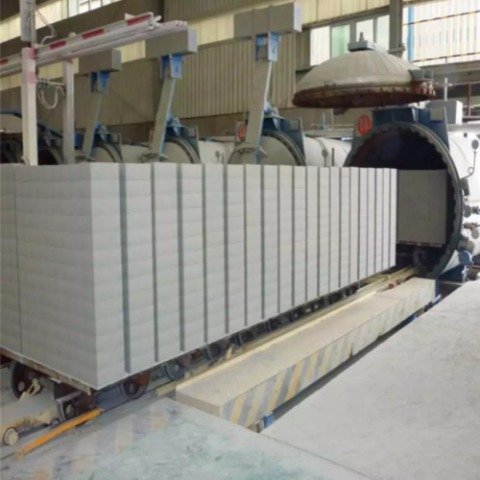
Why Small Scale AAC Plants Make Business Sense
- Low Upfront Investment
Unlike large automated lines that cost $1 million+, a small scale AAC plant can be set up with a budget of $150,000–$300,000. This covers semi-automated modular equipment (mixers, small autoclaves, precision cutters), a leased 500–800 ㎡ industrial shed, and initial raw material stock (sand, lime, fly ash). Many regions also offer tax incentives for small green businesses, further reducing startup costs. For reliable equipment sourcing, partner with trusted AAC plant suppliers that specialize in compact, cost-effective setups.
- Localized Supply Chain & Market Fit
Small plants thrive by sourcing raw materials locally (within 50 km), slashing transportation costs by 20–30%. They target underserved local clients: residential builders, renovation contractors, and rural construction projects. These customers prioritize fast delivery and competitive pricing—two strengths small plants deliver better than distant large-scale suppliers.
- Minimal Compliance Burden
Compact AAC plants have a smaller environmental footprint, making eco-compliance faster and cheaper. A basic closed-loop waste recycling system and energy-efficient autoclave are enough to meet most local environmental regulations, eliminating the need for costly emission control upgrades required by industrial facilities.

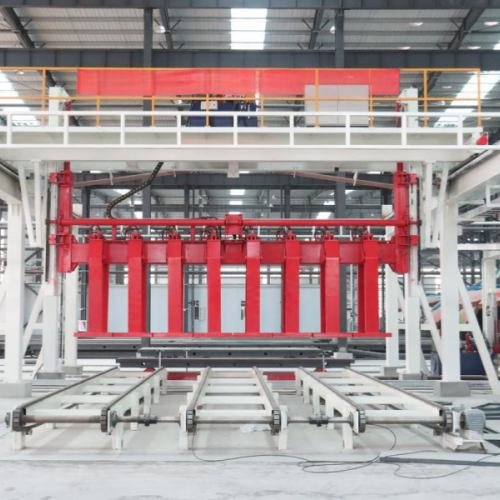
How to Run a Profitable Small Scale AAC Plant
- Opt for Semi-Automation Over Full Automation
Semi-automated lines require only 5–8 workers, balancing labor costs and production efficiency. You can manually adjust batch sizes to fulfill small custom orders (e.g., thin AAC panels for interior walls) that large plants often reject—these custom products command 10–15% higher profit margins. Invest in durable modular block-making gear to ensure consistent output without heavy maintenance.
- Leverage Green Certifications for Premium Pricing
Obtain local green building material certifications to attract eco-conscious clients, such as sustainable housing developers and government-funded rural building projects. These clients are willing to pay a premium for certified AAC blocks, boosting your profit margin without increasing production costs.
- Plan for Incremental Scaling
Modular equipment is the biggest asset of small AAC plants. As your customer base grows, you can add a second autoclave or upgrade your mixer instead of overhauling the entire line. This incremental scaling avoids overinvestment and keeps cash flow stable during the growth phase.